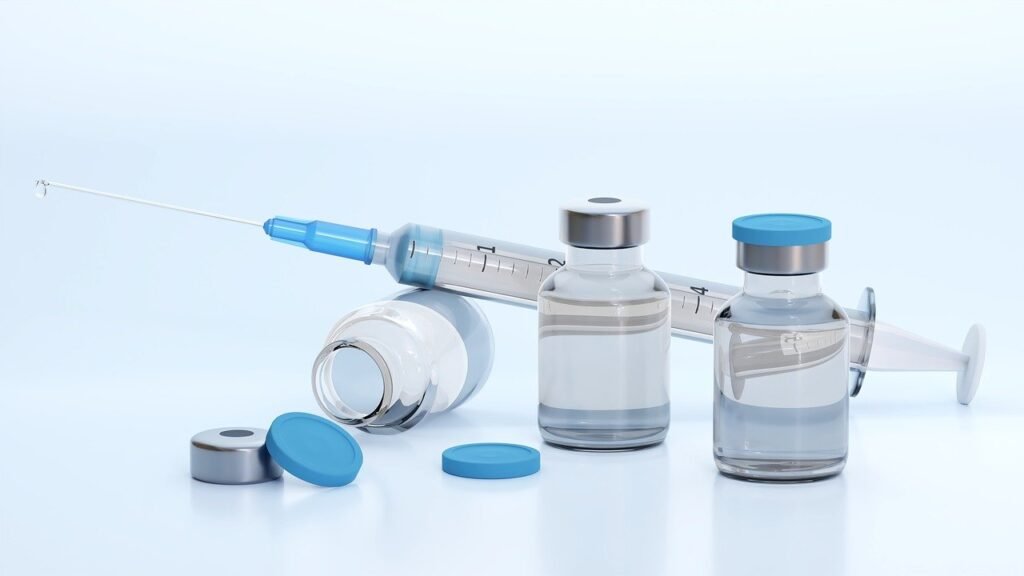


If your practice gives injectable or infused drugs from single-dose vials or packages, every claim has to say what happened to the drug that was left over. That job falls to two modifiers: JW and JZ. They look simple, but small mistakes with them are a common reason drug claims get questioned, delayed or denied. This guide explains what each modifier means, when to use it and what your records need to show.
What the JW and JZ modifiers mean
Both modifiers describe discarded drug: the part of a single-dose container that was not given to the patient and had to be thrown away.
- JW means some amount of the drug was discarded and not administered to any patient.
- JZ means zero drug was discarded. The full contents of the single-dose container were used, or the dose matched the package exactly.
For Medicare Part B claims, a separately payable drug from a single-dose container is generally expected to carry one of these two modifiers. In other words, the claim always says something about waste: either there was some, or there was none. Leaving both off is a common reason these claims get rejected or flagged for review.
Why payers care about discarded drug
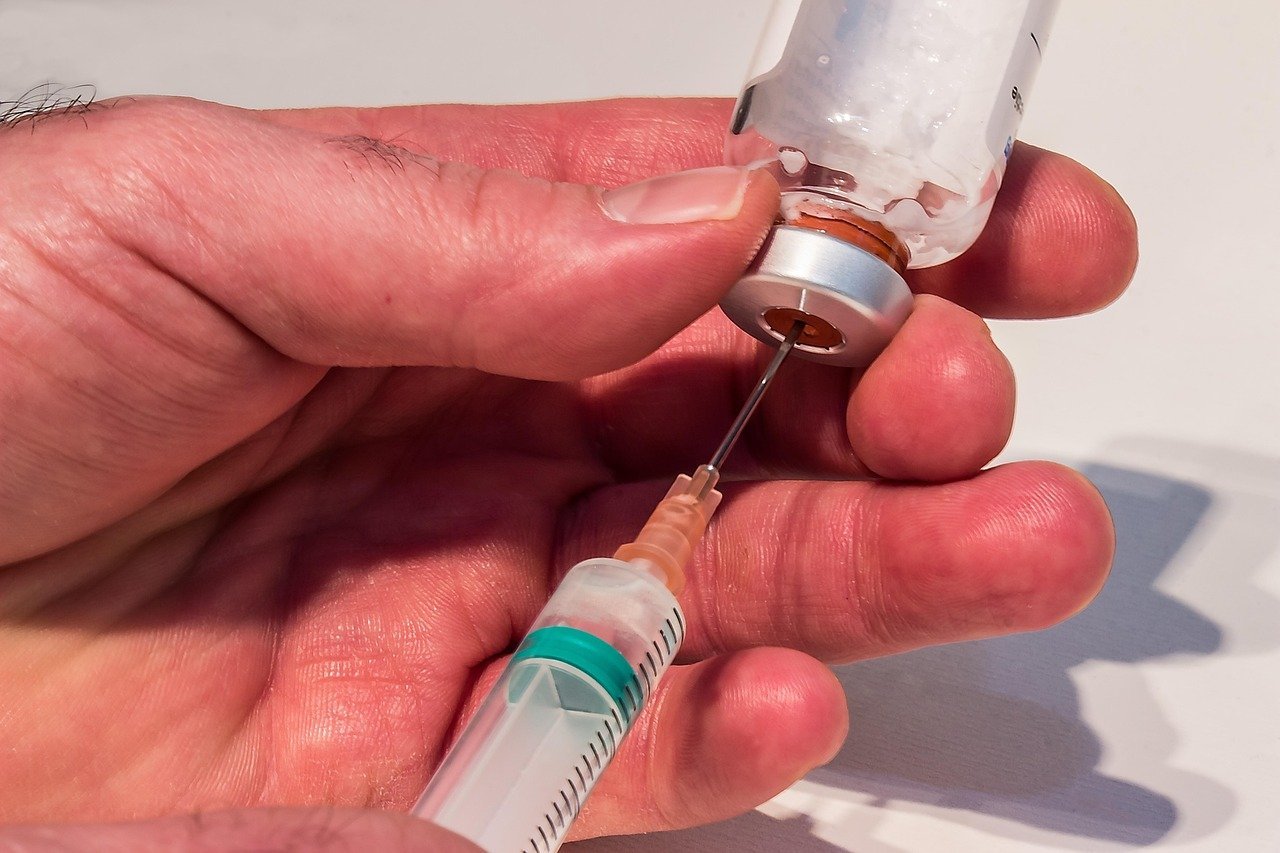
Single-dose vials are meant for one patient and one use. When the dose a patient needs is smaller than the vial, the rest usually can’t be saved for someone else. Medicare and many other payers will pay for that unavoidable waste, but they want it reported clearly so they can see how much of a drug is being administered compared with how much is thrown away.
The modifiers give payers that information directly on the claim. They also help practices, because accurate waste reporting can support payment for drug that was purchased but could not be used.
When to use JW
Use JW when:
- The drug came from a single-dose vial or single-use package.
- Part of the contents was not administered to the patient.
- The unused portion was discarded and not given to any other patient.
How a JW claim is usually built
When there is discarded drug, the claim typically shows the drug on two separate lines:
- The first line reports the HCPCS code for the drug with the billing units actually administered to the patient.
- The second line reports the same HCPCS code with the JW modifier and the billing units that were discarded.
The administered and discarded units together should account for the full contents of the vial or vials opened for that patient. Units must be calculated from the drug’s HCPCS descriptor, not simply from milligrams or milliliters on the label. If the code describes the drug in a particular increment, convert both the given amount and the wasted amount into that increment before entering units.
When JW should not be used
- Multi-dose vials. Leftover drug in a multi-dose vial can be used for other patients, so it is not reported as waste.
- Waste caused by choosing the wrong vial size. Payers generally expect practices to use the most efficient combination of vial sizes available for the dose ordered. Waste that results from opening a larger vial than needed may not be payable.
- Drug given to another patient. If any portion is used for someone else, it is not discarded drug.
When to use JZ
Use JZ when a drug from a single-dose container was fully used and nothing was thrown away. For example, the ordered dose used the entire vial, or the drug came in a package sized exactly to the dose.
With JZ, the claim usually has a single line: the drug code, the JZ modifier and the units administered. There is no separate waste line, because there is no waste to report.
When neither modifier applies
The modifiers are tied to single-dose containers. They generally are not required for:
- Drugs from multi-dose vials.
- Drugs that are not separately payable, such as those packaged into another service under a given payment system.
- Certain drugs or settings that a payer specifically excludes from its waste-reporting rules.
Rules can differ by payer and by setting, so it is worth checking the current guidance from Medicare and your Medicare Administrative Contractor, plus each commercial or Medicaid plan you bill. Some commercial plans follow Medicare’s approach closely; others have their own policies or don’t use these modifiers at all.
What your documentation should show
The modifier on the claim has to match the medical record. If a payer reviews the claim, the chart is what supports the units billed. Good documentation for a single-dose drug usually includes:
- The drug name, strength and vial or package size.
- The dose ordered and the amount actually administered.
- The amount discarded, if any, and a note that it was wasted.
- The date, time and the person who administered and recorded the waste.
When the record states “no waste” for a JZ line, or clearly lists the wasted amount for a JW line, the claim and the chart tell the same story. Mismatches between the two are what tend to cause trouble in audits.
Common mistakes with JW and JZ
- Leaving both modifiers off a single-dose drug that requires one.
- Putting administered and discarded units on one line instead of separating them.
- Unit conversion errors, especially when the HCPCS descriptor uses a different increment than the label.
- Using JW on a multi-dose vial.
- Reporting waste that isn’t documented in the medical record.
- Applying Medicare rules to every payer without checking each plan’s policy.
Many of these errors can be caught before submission with a careful claim review. Billing Benefit has written about how claim scrubbing helps catch errors before claims go out and about steps for improving your clean claim rate.
What to do if a drug claim is denied
If a claim comes back denied or reduced because of a missing or incorrect modifier, start with the basics:
- Check the remittance advice for the reason and remark codes.
- Compare the claim with the administration record: drug, units given, units wasted and container type.
- Correct the modifier, the units or the line structure, then resubmit or appeal according to the payer’s process.
- Look for a pattern. If the same error repeats, it may point to a charge entry or documentation habit that needs fixing.
For a broader look at working denials, see Billing Benefit’s guide to the denial management process in medical billing.
How Billing Benefit can help
Billing Benefit is a medical billing company in Sugar Land, Texas, near Houston, working with practices across Greater Houston, Texas and the rest of the US. Its medical billing and coding services include charge capture and coding, claim submission and follow-up, payment posting and denial management, and patient billing and collections. It also offers medical billing audits that include a comprehensive billing review, recovery of lost revenue, and preventative strategies and education, which can be a way to look at how drug waste is being reported across your claims.
Services are tailored to practices ranging from independent practices to large healthcare facilities, and clients receive a range of reports at the end of each month, including account activity and aging.
If you’d like to talk through how your practice reports single-dose drugs, you can contact Billing Benefit by phone at (832) 674-1900 or by email at info@billingbenefit.com, Monday to Friday, 9 AM to 5 PM Central. You can also use the Book Free Consultation option on the website.
Written with AI help and checked by Billing Benefit.