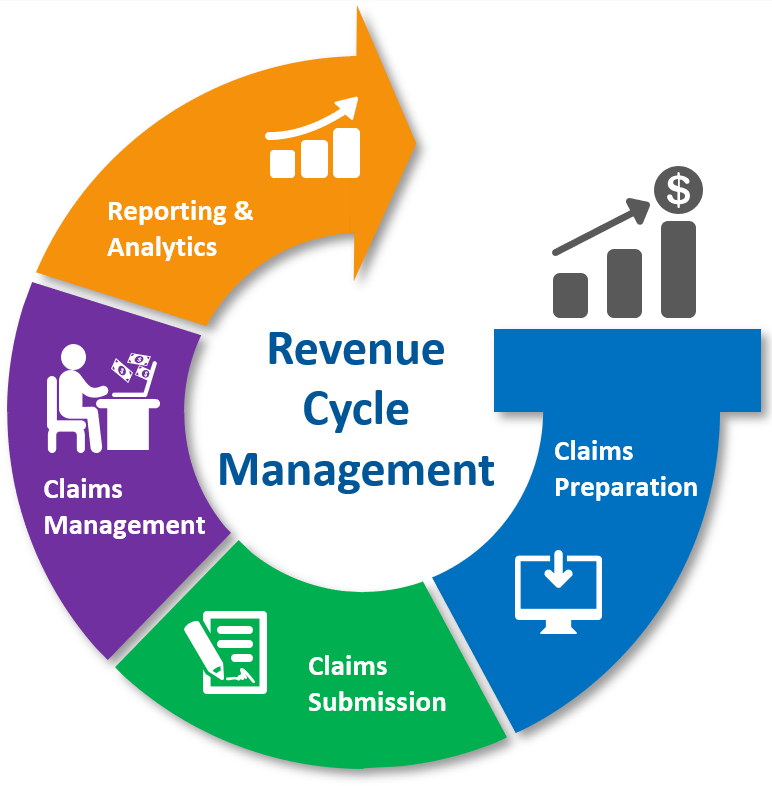
The accounts receivable (AR) landscape has shifted dramatically. Healthcare providers and payers alike are discovering that delayed follow-ups aren’t just operational inefficiencies; they’re financial liabilities that compound daily. With payer rules tightening, prior authorization requirements expanding, and timely filing deadlines becoming less forgiving, slow AR follow ups 2026 represent a critical vulnerability in your revenue cycle.
According to recent industry data, practices with delayed AR follow-ups experience up to 30% higher claim denials and lose an average of 18% of collectible revenue. The stakes have never been higher, and the margin for error has never been narrower.
The Real Cost of Slow AR Follow Ups 2026
Healthcare organizations are bleeding revenue through preventable AR delays. When billing teams fail to follow up promptly on outstanding claims, the consequences cascade through every level of operations.
Cash flow disruption tops the list of consequences. Delayed payments create working capital shortages that force practices to choose between payroll, supplies, and operational investments. Many providers find themselves caught in a cycle where slow collections lead to delayed vendor payments, which damages relationships and credit terms.
Increased AR days directly correlate with reduced collections. Industry benchmarks show that claims older than 120 days have less than a 20% collection rate. Beyond the 90-day mark, collection probability drops sharply—yet many practices still rely on monthly or quarterly follow-up cycles that guarantee aged receivables.
The situation worsens when you factor in payer-specific nuances. Commercial payers often have different appeal windows than Medicare or Medicaid. Missing these deadlines transforms collectible revenue into write-offs. Firmway’s reconciliation data reveals that nearly 40% of aged AR stems from missed payer deadlines, not actual claim issues.
How Delayed Payments Impact Your Entire Revenue Cycle With Slow AR Follow Ups 2026
The ripple effects of slow AR follow-ups extend far beyond the accounts receivable department. When payments stall, your entire revenue cycle suffers.
Claim submission backlogs develop as billing teams spend excessive time on follow-ups rather than processing new claims. This creates a vicious cycle: delayed follow-ups lead to aged AR, which requires more intensive collection efforts, which diverts resources from current claim submission, which eventually creates more aged AR.
Denial rates increase when follow-up protocols lag. Payers deny claims for multiple reasons—missing clinical documentation, medical necessity questions, or coding errors. Without prompt follow-up, these denials become write-offs. Data-driven practices using real-time AR monitoring reduce denials by up to 60% compared to those using manual, delayed follow-up systems.
Billing processes break down under the weight of accumulated AR. Staff morale suffers as teams face mounting backlogs. Turnover increases, which leads to knowledge gaps and further delays. The cost of recruiting and training replacement staff adds another layer of expense to already-stressed revenue cycles.
Analyzing the Current State of Accounts Receivable in Healthcare
Understanding where your AR stands requires honest assessment. The average practice today carries AR days between 45-60 days, though high-performing organizations maintain 30 and 35 days. The gap between these figures represents millions in working capital trapped in receivables.
Payer mix dramatically influences AR performance. Government payers typically process claims faster than commercial insurers, but they’re also stricter about documentation and timely filing. Commercial payers may offer higher reimbursement rates but frequently employ more aggressive denial tactics.
The medical billing landscape has evolved to require specialized knowledge across multiple specialties. A gastroenterology practice faces different prior authorization requirements than an orthopedic surgery center. Generic AR follow-up strategies fail because they don’t account for these specialty-specific nuances.
Clean claims submission rates serve as leading indicators of future AR health. Practices submitting clean claims at rates above 95% typically see faster payments and lower denial rates. However, achieving this requires front-end processes that verify eligibility, secure prior authorizations, and ensure complete clinical documentation before claim submission.
Strategies for Automating Dunning Cycles Using Generative AI
Artificial intelligence has transformed AR follow-ups from labour-intensive manual processes into automated, data-driven operations. Generative AI specifically addresses the personalization challenge that plagued earlier automation attempts.
Intelligent prioritization ranks claims by collection probability, payer behaviour patterns, and financial impact. Rather than working claims chronologically, AI-powered systems focus resources on accounts most likely to yield results. This approach can improve collection rates by 40% while reducing follow-up costs.
Automated communication adapts messaging based on payer type, claim age, and previous interaction history. For example, an initial follow-up to a commercial payer might emphasize missing information, while a second follow-up highlights contractual payment obligations. The system learns from successful interactions and refines its approach continuously.
Advanced document processing platforms now extract data from remittance advice, EOBs, and correspondence with 99% accuracy. This eliminates manual data entry bottlenecks and ensures AR teams work with current, accurate information. When integrated with billing systems, these tools create a seamless flow from claim submission through final payment posting.
Predictive analytics identify patterns that human reviewers miss. AI models analyze thousands of variables—claim type, provider specialty, payer history, time of year, and dozens more—to predict which claims face the highest denial risk. This enables proactive intervention before claims age into difficult-to-collect categories.
How Technology Can Streamline Slow AR Follow Ups 2026 While Maintaining Compliance
Regulatory compliance remains non-negotiable in healthcare revenue cycle management. Technology solutions must balance efficiency gains with strict adherence to HIPAA, payer contracts, and billing regulations.
Audit trails document every action taken on every claim. Modern AR platforms automatically log all communications, status changes, and decision points. This creates defensible documentation for payer audits, regulatory reviews, and internal quality checks.
Real-time eligibility verification prevents the most common cause of claim denials—coverage issues. By checking patient eligibility at every encounter, practices identify and resolve coverage gaps before services render. This reduces denials, accelerates payments, and improves patient satisfaction.
Automated prior authorization workflows track PA requirements across multiple payers and specialties. The system flags services requiring authorization, initiates requests automatically, and monitors approval status. This ensures timely filing and reduces denials related to PA compliance.
Healthcare technology infrastructure must support these advanced workflows reliably. Cloud-based solutions offer scalability, security, and accessibility that on-premises systems cannot match. They also enable remote work arrangements that help practices retain skilled billing staff.
Future-Proofing Collections for 2026: Balancing Automation and Advisory
The most successful practices in 2026 combine technological automation with strategic human oversight. Pure automation misses the nuanced decision-making that complex claims require, while purely manual processes cannot scale to handle the volume and complexity of modern healthcare billing.
Revenue cycles benefit most from a hybrid approach. Routine follow-ups, status checks, and standard appeals operate automatically. Complex denials, high-dollar accounts, and unusual situations escalate to experienced staff who provide personalized attention.
Patient collections increasingly impact provider revenue. High-deductible health plans shift more financial responsibility to patients, creating AR challenges that differ from payer collections. Automated payment plans, text-based payment reminders, and digital payment options improve collection rates while maintaining positive patient relationships.
Accounts receivable AR management in 2026 requires specialized expertise. Generic billing services cannot deliver the results that specialty-focused, technology-enabled providers achieve. Organizations like SunKnowledge demonstrate how combining deep domain expertise with advanced technology creates sustainable competitive advantages.
Case Studies: Achieving Up to 60% Reduction in Collection Costs
Real-world results demonstrate the transformative impact of modernized AR follow-up processes.
A 45-provider multi-specialty group in the Southeast struggled with AR days exceeding 65 and collection rates below 92%. After implementing AI-powered follow-up automation, they reduced AR days to 38 within six months while improving collections to 97%. The financial impact exceeded $2.3 million annually in accelerated revenue and reduced write-offs.
A regional DME provider faced mounting challenges with commercial payer follow-ups. Manual processes meant claims often weren’t worked on until they exceeded 60 days. By deploying automated dunning cycles and payer-specific reconciliation tools, they cut collection costs by 58% while reducing AR days from 72 to 42.
An ambulatory surgery center serving multiple specialties dealt with complex prior authorization requirements that frequently led to denials. Their billing teams spent excessive time resolving authorization issues retroactively. After implementing automated PA tracking and improved clinical documentation workflows, they reduced authorization-related denials by 73% and improved cash flow by $180,000 monthly.
The Role of Billing Teams in Modern AR Management
Even with advanced automation, skilled billing teams remain essential. Their role has evolved from manual data entry and phone follow-ups to strategic oversight and exception handling.
Training requirements have shifted toward analytical skills, payer policy knowledge, and technology proficiency. Modern billing professionals must understand how to interpret system recommendations, identify unusual patterns, and escalate appropriately.
Billing processes now emphasize prevention over correction. Teams focus on clean claims submission, proactive denial management, and continuous process improvement rather than fighting aged AR battles. This creates more satisfying work and better outcomes.
Performance metrics have expanded beyond collection rates and AR days. Leading practices track clean claim rates, first-pass resolution percentages, denial prevention rates, and other forward-looking indicators that predict future AR health.
Addressing Common Challenges in Slow AR Follow Ups 2026
Despite technological advances, certain challenges persist in AR management.
Timely filing deadlines vary by payer, claim type, and state regulation. Missing these deadlines converts billable services into write-offs instantly. Automated tracking systems monitor filing deadlines and alert staff to approaching cutoffs, but ultimate responsibility rests with billing teams to act promptly.
Medical necessity denials require clinical documentation that supports the services provided. Billing teams cannot resolve these denials without provider cooperation. Effective workflows create feedback loops that inform providers about documentation deficiencies before they impact revenue.
Payer rules change constantly. Medicare updates policies quarterly. Commercial payers revise coverage policies with minimal notice. State Medicaid programs each maintain unique billing requirements. Staying current requires dedicated resources and systematic monitoring that most practices cannot maintain internally. Specialized RCM partners provide this expertise as part of their core competency.
Reduce denials through root cause analysis. Rather than treating denial symptoms, leading practices investigate why denials occur and implement preventive measures. This data-driven approach identifies systemic issues, training gaps, process breakdowns, and technology limitations that create recurring problems.
Slow AR follow-ups refer to delayed action on unpaid claims and outstanding balances. In 2026, they matter more than ever because payer rules have tightened, timely filing deadlines have shortened, and the volume of denials requiring rapid response has increased. Delayed follow-ups directly reduce collection rates and extend AR days, which severely impacts cash flow and operational sustainability.
Automation prioritizes claims by collection probability, executes systematic follow-up protocols, and scales operations without proportional staff increases. It eliminates human error in tracking deadlines, ensures consistent communication with payers, and frees billing teams to focus on complex cases requiring human judgment. Organizations implementing AR automation typically see 40-60% improvements in collection costs while reducing AR days by 20-30%.
AI analyzes patterns across thousands of claims to predict which require immediate attention and which communication strategies work best for specific payers. It adapts follow-up tactics based on results, continuously improving performance. AI also identifies root causes of denials and recommends process improvements that prevent future problems. This proactive approach addresses issues before they create aged AR
Prior authorization denials represent some of the most challenging AR issues because they often aren’t identified until after service delivery. Retroactive PA requests face high denial rates, and payer appeal processes can extend for months. Effective PA management prevents these denials through proactive authorization before service delivery, which eliminates a major source of AR problems.
The primary causes include incomplete clinical documentation, coding errors, eligibility issues, prior authorization problems, and missed timely filing deadlines. Secondary factors include inefficient follow-up processes, inadequate staff training, and technology limitations. Addressing these issues requires a comprehensive approach that combines staff development, process improvement, and technology investment.
The most effective approach uses automation for routine tasks—status checks, standard appeals, payment posting—while escalating complex situations to experienced staff. This hybrid model provides efficiency at scale while maintaining the judgment and creativity that difficult AR situations require. Clear escalation protocols ensure appropriate cases receive human attention promptly.
Modern AR management requires cloud-based practice management systems, automated eligibility verification, electronic claim submission, remittance processing automation, and integrated communication platforms. The specific technology stack depends on practice size, specialty, and payer mix, but all successful implementations share common characteristics: real-time data access, comprehensive reporting, and seamless integration across systems.
Taking Action: Your Next Steps for Improved Collections
The gap between struggling practices and high-performing organizations comes down to systematic AR follow-up processes supported by appropriate technology.
Start by assessing your current state. Calculate your AR days, analyze denial rates by reason code, and identify your biggest slow AR follow ups 2026 challenges. This baseline measurement provides context for improvement efforts.
Improve collections by implementing systematic follow-up protocols. Even without advanced automation, consistent processes outperform ad-hoc approaches. Document your workflows, train staff thoroughly, and monitor compliance with established procedures.
Reduce write-offs through better denial prevention. Focus on clean claims submission, complete clinical documentation, and proactive prior authorization management. Every denied claim costs more to resolve than preventing the denial initially.
Consider whether your current resources can realistically achieve your AR goals. Many practices discover that partnering with specialized RCM providers delivers better results at lower total cost than maintaining internal billing operations. The right partner brings specialty expertise, proven technology, and scalable resources that adapt to your changing needs.
Slow AR follow ups 2026 represent a solvable problem. The combination of strategic process design, appropriate technology, and skilled execution creates sustainable competitive advantage through superior cash flow management. Organizations that address this challenge proactively position themselves for growth, while those that delay face mounting financial pressure and operational constraints.
The healthcare revenue cycle will continue evolving. Payer requirements will grow more complex. Regulatory demands will increase. Technology will advance. But the fundamental principle remains constant: prompt, systematic AR follow-ups generate better financial results than delayed, reactive approaches. The question isn’t whether to improve your AR processes—it’s whether you’ll do so before your competitors gain an insurmountable advantage.