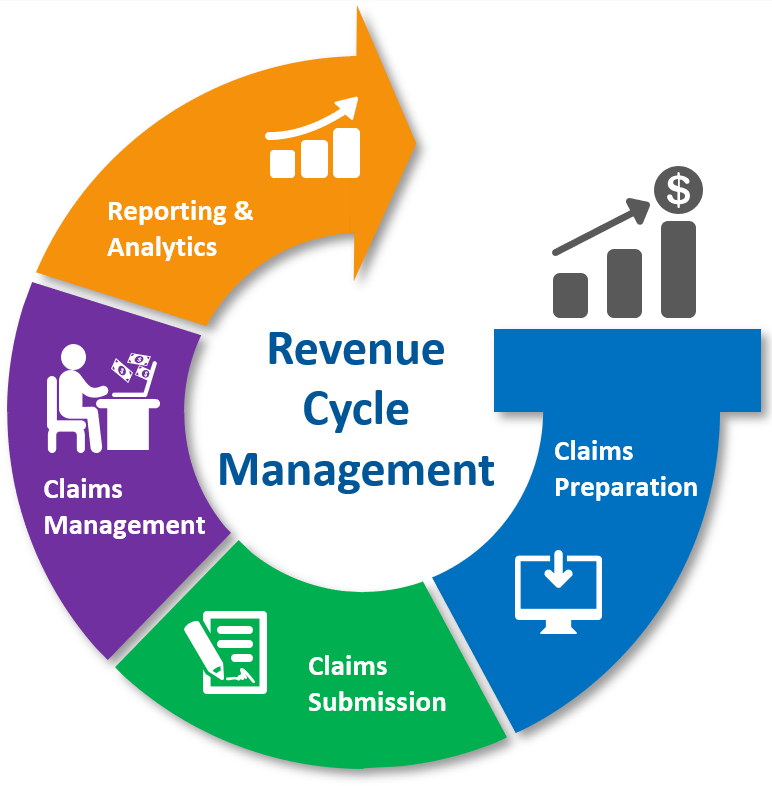
Revenue cycle bottlenecks quietly drain healthcare organizations of their financial stability. A single delayed payment or denied claim can trigger a cascade of downstream problems—stalled cash flow, frustrated staff, and patients left confused about their bills.
For healthcare providers managing high patient volumes, even small inefficiencies in revenue cycle management (RCM) compound quickly. A claim submission that gets stuck in the queue, a coding error that triggers a denial, or a prior authorization that wasn’t secured in time—these aren’t isolated incidents. They’re symptoms of systemic gaps that, left unaddressed, translate directly into lost revenue.
This guide breaks down the most common revenue cycle bottlenecks, what causes them, and how to resolve them with practical strategies and the right technology.
The Root Causes of Revenue Cycle Bottlenecks
Most revenue cycle bottlenecks originate at the front end of the process—before a patient ever receives care. Insurance verification errors, incomplete patient registration, and missed eligibility checks are among the most frequent culprits.
When staff fail to confirm payer requirements ahead of an appointment, claim denials become almost inevitable. Incorrect demographic data, outdated insurance information, or missing authorization numbers all create friction that slows the billing cycle. From there, coding errors compound the problem. Miscoded diagnoses or procedures lead to rejected claims, delayed payments, and additional administrative work to correct and resubmit.
Key root causes include:
- Incomplete insurance verification at the point of scheduling
- Coding errors from outdated code sets or undertrained staff
- Missing or expired prior authorizations
- Poor communication between the clinical and billing teams
- Manual workflows that rely heavily on paper-based processes
Understanding where bottlenecks begin is the first step toward eliminating them. Platforms like DrChrono offer integrated EHR and billing tools that help clinical teams capture accurate information from the start, reducing the risk of errors downstream.
The High Cost of Claim Denials
Claim denials are one of the most significant contributors to lost revenue in healthcare. When a claim is denied, the organization must invest additional time and resources to investigate, correct, and resubmit—assuming the denial is caught at all.
Effective claims management requires a clear process for tracking denial patterns, identifying recurring issues, and addressing them at the source. Simply resubmitting claims without fixing the underlying problem means the same errors will continue to occur.
Strategies for reducing claim denials include:
- Denial tracking dashboards to identify patterns by payer, provider, or procedure code
- Pre-submission claim scrubbing to catch errors before they reach the payer
- Staff training on current coding standards and payer-specific requirements
- Clear escalation protocols for high-value or time-sensitive claims
Organizations that invest in structured claims management—rather than reactive denial follow-up—see measurable improvements in both cash flow and staff productivity.
Solving Front-End Revenue Cycle Bottlenecks
Front-end processes set the tone for everything that follows. Prior authorization and real-time eligibility verification are two areas where delays consistently generate revenue cycle bottlenecks.
Prior authorization requirements have grown significantly more complex across most commercial payers. When authorizations aren’t obtained before services are rendered, claims are denied—regardless of the clinical necessity of the procedure. Automating the prior authorization process reduces manual errors and turnaround times.
Real-time eligibility verification ensures that a patient’s coverage is confirmed at or before the point of service. Rather than relying on static eligibility checks performed days in advance, real-time tools query payer databases instantly—catching coverage lapses, plan changes, or coordination of benefits issues before they become billing problems.
Solutions like Alpaca Health and Enter Health are designed to streamline these front-end workflows, helping providers reduce claim submission errors and accelerate reimbursement timelines.
Improving Patient Experience to Reduce Payment Delays
Revenue cycle bottlenecks extend beyond the payer relationship. The patient experience plays a direct role in payment outcomes. Unclear billing statements, unexpected balances, and limited payment options all contribute to delayed payments and lower collection rates.
Transparent communication about financial responsibility—delivered before or at the time of service—significantly improves patient satisfaction and reduces the likelihood of unpaid balances.
Effective strategies include:
- Upfront cost estimates based on verified insurance benefits
- Flexible payment plan options that make out-of-pocket costs more manageable
- Patient-friendly billing statements that clearly explain charges and due dates
- Multiple payment channels, including online portals, mobile payments, and autopay
Offering a structured payment plan isn’t just good patient experience—it’s a good revenue strategy. Patients who understand their financial obligations and have accessible ways to pay are far more likely to follow through. Resources like Chello Bank illustrate how financial infrastructure can support more flexible, patient-centred payment approaches.
Healthcare providers such as Ortho Florida demonstrate how integrating patient communication tools into the billing process reduces friction and supports long-term collections performance.
Leveraging Technology and RCM Partners
Technology is the most scalable solution to persistent revenue cycle bottlenecks. Modern RCM platforms reduce dependence on manual workflows, automate repetitive tasks, and provide real-time visibility into claim status, denial rates, and payment timelines.
Key features to look for in an RCM solution include:
- Automated claim submission with built-in error detection
- Real-time eligibility and benefits verification
- Denial management workflows with root cause tracking
- Patient engagement tools for billing communication and payment collection
- Reporting dashboards with actionable KPIs
For organizations that lack the internal resources to manage RCM in-house, outsourcing to a specialized RCM partner can be an effective alternative. These partners bring deep expertise in payer requirements, coding standards, and denial resolution—freeing clinical staff to focus on care delivery.
Key Performance Indicators to Monitor
Sustainable cash flow health depends on tracking the right key performance indicators (KPIs). Without consistent measurement, revenue cycle bottlenecks often go undetected until they’ve already caused significant financial harm.
KPIs worth monitoring include:
- Days in Accounts Receivable (AR): Measures how long it takes to collect payment after a service is rendered
- First-Pass Claim Resolution Rate: The percentage of claims paid on the first submission
- Denial Rate: The proportion of submitted claims that are denied by payers
- Clean Claim Rate: The percentage of claims submitted without errors
- Net Collection Rate: The percentage of collectible revenue actually collected over a given period
Reviewing these metrics regularly—ideally on a monthly basis—allows organizations to identify emerging revenue cycle bottlenecks before they escalate into long-term cash flow problems.
Frequently Asked Questions About Revenue Cycle Bottlenecks
Delayed payments are most often caused by coding errors, incomplete insurance verification, missing prior authorizations, and denied claims that aren’t followed up on promptly. Each of these issues adds time between service delivery and reimbursement.
Each payer has its own set of payer requirements for claim submission, prior authorization, and documentation standards. When billing teams aren’t up to date on these requirements, claims are more likely to be rejected or denied, prolonging the payment cycle.
The most effective approach combines front-end accuracy (insurance verification, eligibility checks, prior authorization) with back-end denial management. Tracking denial patterns and correcting root causes—rather than simply resubmitting claims—produces the most sustainable results.
A structured payment plan makes it easier for patients to pay their out-of-pocket balances over time. This reduces the volume of unpaid accounts sent to collections and supports healthier long-term cash flow for the organization.
If claim denial rates are consistently above 5%, AR days exceed 40, or staff are spending more time on administrative rework than on core billing functions, it’s worth evaluating an RCM partner. Outsourcing can be especially valuable for smaller practices that lack dedicated billing expertise.
Take Control of Your Revenue Cycle
Revenue cycle bottlenecks are preventable. With the right combination of front-end processes, accurate claim submission protocols, patient-centred billing practices, and technology-driven oversight, healthcare organizations can dramatically reduce lost revenue and improve financial stability.
Start by auditing your current denial rates and AR days. From there, identify where delays most frequently occur—whether at insurance verification, prior authorization, or the payment collection stage—and address those gaps systematically. The long-term gains in cash flow, staff efficiency, and patient satisfaction make the investment well worth it.