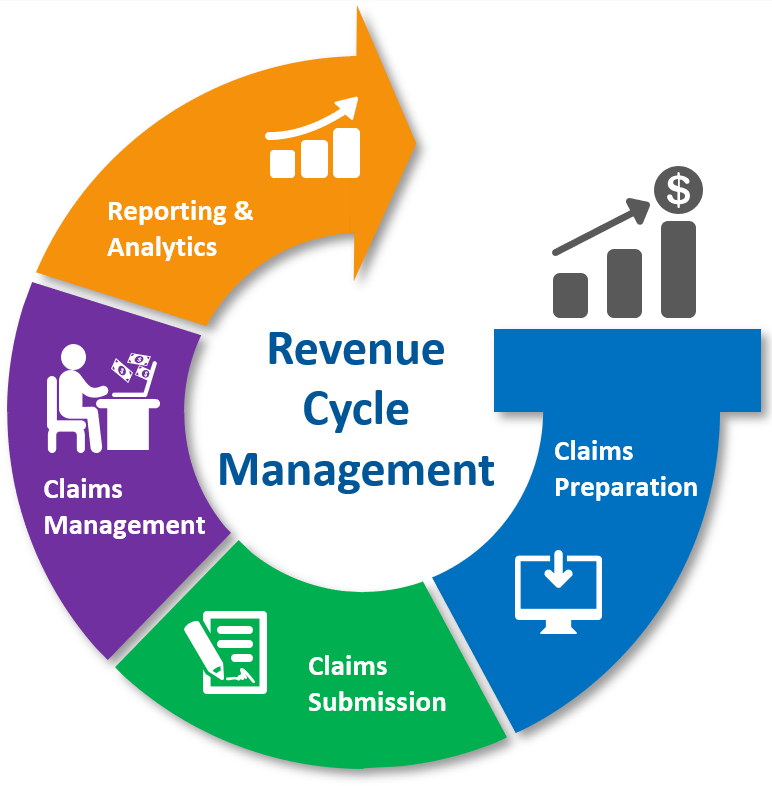
Running a family clinic is a balancing act. You are committed to providing compassionate patient care, but managing the financial and administrative side of the practice can be just as challenging. For many practice managers, keeping track of billing, claims, and reimbursements feels overwhelming. This is where RCM automation for family clinics becomes essential—a modern solution that ensures your clinic maximizes revenue while minimizing errors and delays.
Traditional manual billing methods are time-consuming, prone to mistakes, and can slow down cash flow. In this guide, we will explore how implementing RCM automation for family clinics can streamline your operations, improve financial performance, and free your staff to focus on patient care.
What is RCM Automation for Family Clinics?
RCM automation for family clinics uses advanced technology to perform repetitive, rule-based tasks in the revenue cycle. From scheduling appointments to verifying insurance eligibility, AI-powered software reduces human error and speeds up processes.
By automating these steps, clinics can handle the full lifecycle of patient accounts efficiently—from initial intake to final payment collection. RCM automation for family clinics doesn’t replace your team; it empowers them, handling tedious tasks that often cause staff burnout.
Benefits of RCM Automation for Family Clinics
Switching from manual to automated processes isn’t just a trend; it’s a strategic move for healthcare organizations. Here is why automation is a game-changer for family clinics.
Enhances Operational Efficiency
Manual claims management is slow. Automation improves efficiency by speeding up data processing. Tasks that took hours can now be done in minutes. For example, Access Healthcare highlights how technology-led approaches can transform business processes, allowing clinics to handle higher patient volumes without adding more administrative staff.
Reduces Errors and Claim Denials
Human error is the leading cause of claim denials. A simple typo in a patient’s name or an incorrect insurance code can lead to weeks of delay. Automated systems cross-check data in real time, ensuring accuracy before submission. This capability helps reduce claim denials significantly, ensuring that you get paid for the work you do.
Accelerates Cash Flow
When you reduce errors and speed up claims submission, you naturally improve cash flow. Automated systems can submit claims daily rather than weekly, and they can instantly flag issues that need correction. This consistent flow of revenue is vital for the stability of smaller family practices.
Improves Patient Satisfaction
Believe it or not, billing affects patient experiences. No one likes surprise bills or confusing financial statements. Automation allows for clearer, faster communication regarding costs. When the financial side is smooth, patients trust healthcare professionals more. Platforms like Alpaca Health demonstrate how seamless backend support allows providers to focus on delivering high-quality, personalized care to families.
How to Implement RCM Automation in Your Family Clinic
Assess Your Current Workflow: Identify pain points and repetitive tasks in your revenue cycle.
Choose the Right Software: Select AI-powered RCM tools specifically designed for family clinics.
Train Your Team: Ensure staff understand how to use the automation system effectively.
Monitor and Optimize: Continuously track performance metrics and tweak processes for maximum efficiency.
Why RCM Automation is Essential in 2026
Healthcare operations are evolving rapidly. By 2026, family clinics that adopt RCM automation will benefit from improved cash flow, reduced administrative burden, and a stronger ability to scale. Embracing automation now ensures your clinic remains competitive and financially healthy in the years ahead.
Key Features to Look for in an RCM Automation System
Not all automation tools are created equal. When selecting a system for your family clinic, ensure it includes these essential features:
1. Automated Eligibility Verification
Checking insurance coverage manually is tedious. Your system should automatically verify a patient’s insurance status before they walk in the door. This prevents services from being rendered that aren’t covered, protecting both the clinic and the patient from unexpected costs.
2. Intelligent Claims Processing
Look for systems that use AI for claims processing. The software should be able to scrub claims for errors and ensure they meet payer rules before submission.
3. Denial Management
Even with automation, denials happen. A robust system will have a denial management feature that automatically categorizes denials, identifies the root cause, and suggests corrective actions. This is crucial for recovering revenue that would otherwise be lost.
4. Reporting and Analytics
You need visibility into your financial performance. The right tool should offer detailed dashboards showing metrics like days in accounts receivable (A/R) and collection rates. Companies like MDClarity specialize in providing transparency into these financial metrics, helping you make data-driven decisions.
Implementing RCM Automation for Family Clinics
Transitioning to an automated system requires careful planning. Here is a roadmap for successful implementation.
Assessment and Vendor Selection
Start by auditing your current processes. Where are the bottlenecks? Once you identify the pain points, research vendors. Look for solutions that integrate well with your existing Electronic Health Records (EHR) system. For instance, Commure offers solutions that help streamline workflows and improve operational efficiency across the healthcare continuum.
Data Migration and Infrastructure
Moving your patient financial data to a new system must be done securely. Ensure your clinic has the necessary IT infrastructure. If you are looking into cloud-based solutions, understanding server configurations is helpful; resources like XYMWW often discuss the technical specifications of cloud servers, which underpin these modern SaaS applications.
Staff Training
Technology is only as good as the people using it. Invest in comprehensive training for your staff. If your team needs to upskill in technical areas to manage these new systems better, exploring educational resources or bootcamps like those offered by Nucamp can be beneficial for understanding the tech landscape, although specific vendor training is usually sufficient for daily operations.
Testing
Before going live, run the system in a test environment. Simulate claims submission and payment posting to ensure everything flows correctly. This “sandbox” phase helps catch glitches before they affect real revenue.
Best Practices for Optimizing RCM Automation for Family Clinics
Once your system is live, the work isn’t quite done. Optimization is an ongoing process.
- Monitor Metrics Regularly: Specific KPIs like denial rates and clean claim rates should be reviewed weekly. Industry resources like Becker’s Hospital Review or Becker’s ASC are excellent for benchmarking your performance against national standards.
- Update Regularly: Payer rules change frequently. Ensure your software vendor updates their rules engine regularly to stay compliant.
- Continuous Feedback: Encourage your billing staff to provide feedback on the system. They are the frontline users and will know if a feature is helping or hindering operational efficiency.
- Stay Informed: The landscape of healthcare IT is vast. Keeping up with broader tech trends through sites like Yahoo or specialized directories like Top IT Companies can help you stay ahead of the curve.
Future-Proofing RCM Automation for Family Clinics
Embracing automation is essential for the longevity of your practice. By reducing the administrative burden, you create a more sustainable work environment for your team and a better experience for your patients. RCM automation is not just about getting paid faster; it’s about securing the resources you need to continue serving your community effectively.
Whether you are looking to improve cash flow, reduce claim denials, or simply modernize your operations, the technology exists to make it happen. Start assessing your options today, and take the first step toward a healthier financial future for your clinic.
For more insights into healthcare management and technology solutions, you can explore resources from Dilijent Systems, MGX, Electe, Avader, and Becker’s Spine.