Clean Claims Strategy 2026: Medical billing has never been more complex. As payer scrutiny intensifies and regulatory requirements shift heading into 2026, healthcare organizations face mounting pressure to get claims right the first time. A single error in a CPT code, a lapse in eligibility verification, or incomplete clinical documentation can cascade into denied claims, delayed reimbursements, and serious disruptions to cash flow.
The good news is that a well-structured clean claims strategy in 2026 is entirely achievable. With the right combination of automation, real-time data validation, and staff training, billing teams can dramatically reduce their denial rate and keep revenue moving. This post breaks down what that strategy looks like in practice—and how to build one that holds up as regulations continue to evolve.
What “Clean Claims Strategy 2026” Actually Means in 2026
A clean claim is submitted the first time, accurate, complete, and compliant with payer requirements. No missing fields, no incorrect HCPCS codes, no mismatched patient data. When submitted claims meet these standards, they move through adjudication quickly and without interruption.
The bar for what constitutes a clean claim continues to rise. Payers are applying more sophisticated rules to submitted claims, cross-referencing clinical documentation, checking medical necessity, and flagging inconsistencies that once slipped through undetected. In 2026, clean claims are not just a billing best practice—they are a financial necessity.
The Impact of Advanced Automation on Claim Accuracy
Manual processes remain one of the leading causes of claim errors. When staff time is consumed by repetitive data entry and manual code checks, mistakes are inevitable. Advanced automation changes that equation significantly.
Modern claims scrubbing tools review submitted claims against thousands of payer-specific rules before they ever leave your system. They check CPT codes, HCPCS codes, diagnosis code pairings, and modifier usage in real time, flagging errors that would otherwise result in denied claims. The result is faster turnaround, fewer rejections, and less rework for billing teams.
For organizations still relying heavily on manual workflows, the shift to automation is not just about efficiency—it directly affects the bottom line. Reducing the volume of denied claims by even a modest percentage can have a substantial impact on monthly revenue.
Key Strategies for Reducing Claim Denials and Rejections
A strong, clean claims strategy in 2026 requires action across several fronts. No single fix will resolve a high denial rate; it takes a coordinated approach.
Start with Eligibility Verification in Clean Claims Strategy 2026
The most preventable claim denials stem from eligibility issues caught too late. Verifying insurance eligibility before every appointment, not just new patients, ensures that submitted claims reflect the patient’s current coverage. Real-time eligibility verification tools can confirm coverage details, co-pay requirements, and authorization needs within seconds, reducing the risk of claims being denied for coverage-related reasons.
Strengthen Clinical Documentation in Clean Claims Strategy 2026
Payers increasingly require detailed clinical documentation to support medical necessity. Vague or incomplete notes attached to submitted claims invite scrutiny and denials. Providers and billing teams need to work closely together to ensure documentation accurately reflects the care delivered and aligns with the CPT codes and HCPCS codes being billed.
Structured documentation templates, regular audits, and clear communication between clinical and billing staff all contribute to cleaner claims and a lower denial rate.
Invest in Claims Scrubbing in Clean Claims Strategy 2026
Claims scrubbing is one of the highest-leverage investments in any clean claims strategy for 2026. A robust scrubbing process catches errors at the source before submission rather than after a denial has already been issued. This includes checking for duplicate claims, invalid code combinations, missing modifiers, and payer-specific billing rules.
Investing in scrubbing technology reduces the staff time spent on rework and appeals, freeing up resources for higher-value activities.
Monitor and Act on Denial Patterns in Clean Claims Strategy 2026
Tracking denied claims by category, payer, and provider reveals patterns that point to systemic issues. A recurring denial from a specific payer for medical necessity reasons, for example, may indicate a documentation gap rather than a one-off error. Regular denial analysis is foundational to any proactive clean claims strategy in 2026.
The Role of AI and Real-Time Data Validation in Modern Billing
Artificial intelligence is reshaping how billing teams approach claims submission. AI-powered platforms can analyze historical claim data to predict which submitted claims are at risk of denial before they are processed. This shifts the model from reactive to preventive, identifying problems before they reach the payer.
Real-time data validation works alongside AI to check claim data against current payer rules as it is entered, not after the fact. When a CPT code is entered that conflicts with the patient’s diagnosis or payer policy, the system flags it immediately. This kind of instant feedback loop significantly reduces the number of claims that require correction after submission.
Together, AI and real-time validation are becoming core components of a competitive clean claims strategy in 2026, particularly for organizations managing high volumes of insurance claims across multiple payers.
Future-Proofing Your Revenue Cycle Management for 2026 Regulations
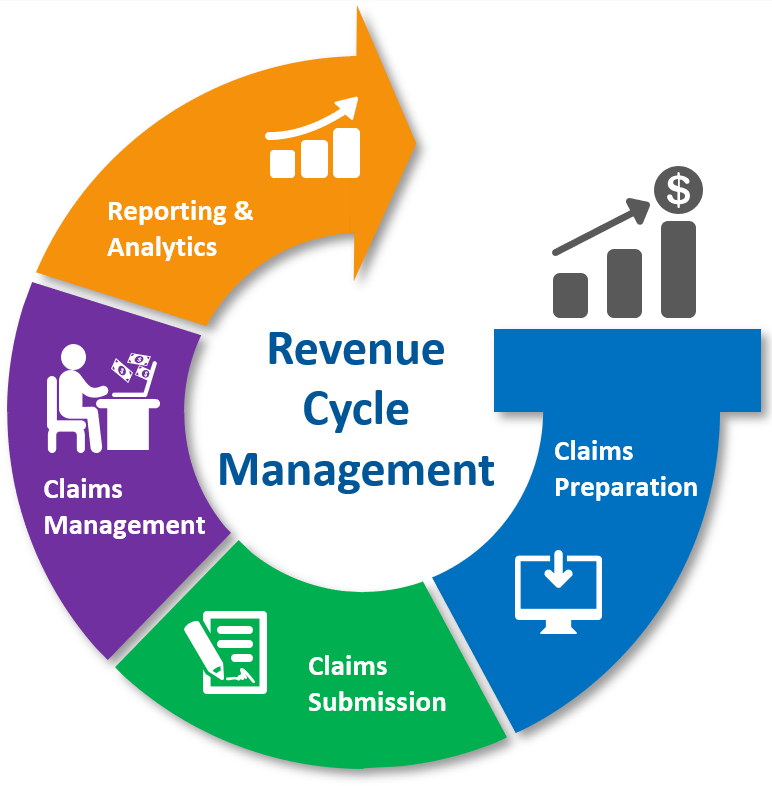
Revenue Cycle Management (RCM) teams are navigating a landscape of increasing regulatory complexity. Coding updates, payer policy changes, and evolving requirements around clinical documentation all create potential points of failure in the claims process.
Future-proofing your RCM means building systems and habits that can absorb change without breaking down. That includes:
- Regular coding education: CPT codes and HCPCS codes are updated annually. Keeping billing staff current on changes reduces errors caused by outdated coding practices.
- Payer contract reviews: Understanding what each payer requires for clean claims helps billing teams tailor their processes accordingly.
- Technology updates: Billing platforms should be regularly assessed to ensure they support current payer requirements and coding standards.
- Cross-functional collaboration: Clean claims are the product of coordinated effort across scheduling, clinical, and billing teams. Siloed workflows create gaps that lead to denials.
Organizations that treat RCM as a strategic function, rather than a back-office task, are better positioned to adapt as requirements shift in 2026 and beyond.
A clean claim is a submitted claim that contains all required information, accurate codes, and correct patient data, allowing it to be processed by the payer without additional information or corrections.
Eligibility issues, incorrect CPT codes or HCPCS codes, missing clinical documentation, and lack of prior authorization are among the most frequent causes of denied claims.
Claims scrubbing reviews submitted claims against payer-specific rules before submission, catching errors in coding, documentation, and data entry that would otherwise result in denials.
When eligibility is confirmed before services are rendered, billing teams can submit claims with confidence, reducing denials and accelerating reimbursement timelines—both of which directly support healthy cash flow.
AI analyzes claim data in real time to flag potential denials before submission, identifies patterns in denied claims, and helps billing teams prioritize corrections, reducing staff time spent on rework and appeals
Building a Proactive Clean Claims Culture
A clean claims strategy in 2026 is not a one-time project. It is an ongoing commitment to accuracy, collaboration, and continuous improvement across the entire revenue cycle.
Organizations that invest in eligibility verification, claims scrubbing, clinical documentation standards, and real-time data tools will see measurable reductions in their denial rate and stronger, more predictable cash flow. Those that continue to rely on reactive processes will find it increasingly difficult to keep pace with payer scrutiny and regulatory expectations.
The shift toward a proactive clean claims culture starts with leadership treating medical billing as a clinical-adjacent priority—not an afterthought. When that mindset takes hold, cleaner claims, fewer denials, and a healthier revenue cycle follow.
For further resources on optimizing your billing workflows and revenue cycle management, visit hasster.com.