AI Claim Denial Reduction is about processing medical claims, which requires accuracy, patience, and massive amounts of human effort. Even with a dedicated team, healthcare providers often face high volumes of denied claims. These rejections delay payments, drain resources, and ultimately pull focus away from your primary goal: providing excellent medical care.
Recently, modern technology has offered a practical solution to this ongoing problem. The integration of artificial intelligence ai into billing workflows allows clinics to catch errors early and streamline their financial processes. By implementing an AI claim denial reduction strategy, facilities can actively protect their bottom line and reduce the stress placed on their billing staff.
This guide explains how machine learning and automation address the root causes of rejected payments. We will explore the tools available for reducing claim denials, outline the realistic benefits of these systems, and provide actionable steps for improving your facility’s financial health.
The Impact of AI Claim Denial Reduction
Claim rejections create a ripple effect throughout an entire medical organization. Understanding the depth of this impact is the first step toward effective denial management.
Financially, rejected claims disrupt cash flow. Providers render services but wait months for compensation while billing departments appeal the decisions. These delays create instability and make it difficult to forecast revenue accurately.
Operationally, handling these rejections creates heavy administrative burdens. Staff members must spend hours reviewing payer-specific rules, correcting coding mistakes, and resubmitting paperwork. This manual rework is tedious and expensive. Furthermore, frequent billing issues can negatively impact patient care. When patients receive unexpected bills due to coverage disputes or authorization errors, they become frustrated. A smooth billing experience is a key component of overall patient satisfaction. For ongoing industry updates on how facilities handle these operational shifts, many leaders follow resources like HealthExec.
Why Do Denials Happen?
Before fixing the problem, it helps to know why payers reject claims in the first place. Common triggers include:
- Coding Errors: Simple typos or incorrect medical codes automatically trigger a rejection.
- Eligibility Issues: A patient’s insurance coverage may have lapsed or changed.
- Missing Prior Authorizations: Failing to secure approval before a procedure is a frequent stumbling block.
- Missing Documentation: Incomplete clinical notes leave payers unable to verify the necessity of the service.
Traditional manual reviews struggle to catch every mistake because human workers easily experience fatigue. This is where modern software steps in.
Key Strategies for AI Claim Denial Reduction
Technology companies have developed specific applications to target the weak points in the billing cycle. By using AI tools, organizations can automate the most tedious parts of the process.
Predictive Analytics for Proactive Prevention
The most effective way to handle a rejection is to prevent it entirely. Predictive analytics uses historical data to identify patterns in denied claims. The system flags high-risk claims before submission, allowing your staff to correct issues proactively. Catching these mistakes early drastically improves first-pass clean claim rates.
Natural Language Processing (NLP)
Medical charts hold vast amounts of unstructured text. NLP technology reads and understands clinical notes, extracting the exact information needed for accurate coding. This ensures that the documentation supports the billed codes. If your facility uses complex data architectures to organize this information, platforms like Kaelio demonstrate how automated data context layers help organize internal metrics efficiently.
Robotic Process Automation (RPA)
Data entry is repetitive and prone to human error. RPA tools take over these routine tasks, automatically transferring data between electronic health records and billing software. This speeds up the process and reduces the likelihood of simple typos. You can explore how automation optimizes different industries through tech blogs like Tericsoft.
Real Time Eligibility Verification
Verifying patient coverage used to mean waiting on the phone with insurance companies. Now, ai driven systems perform real-time checks the moment a patient schedules an appointment. This instantly confirms active policies and specific benefits, drastically reducing rejections caused by coverage lapses.
Benefits of AI Claim Denial Reduction
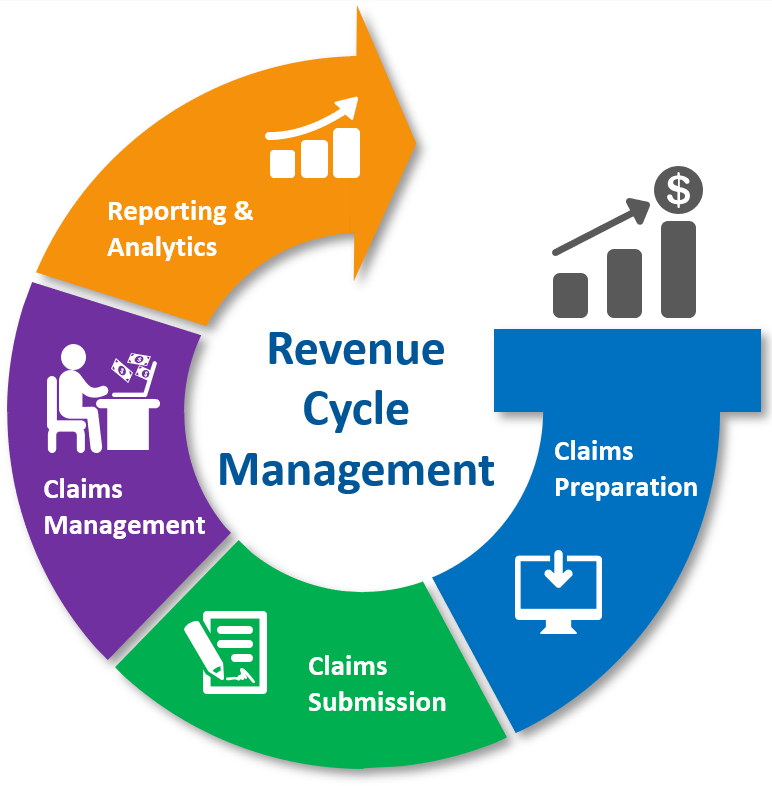
Integrating AI in revenue cycle management (RCM) produces measurable, practical results for healthcare organizations.
- Lower Denial Rates: Automated scrubbing and predictive modelling lead to a significant drop in overall rejection volume.
- Improved Cash Flow: Clean claims process faster, meaning your facility receives payments reliably and on time. Platforms specializing in financial clarity, such as MD Clarity, often highlight the importance of predictable revenue cycles.
- Increased Staff Productivity: By automating repetitive tasks, your billing team can focus on complex appeals and higher-value work.
- Better Compliance: AI systems update automatically to reflect the latest coding guidelines and payer rules, keeping your facility compliant.
Challenges of Adopting AI Tools
While the benefits are clear, transitioning to new technology requires careful planning. Organizations must establish realistic expectations and prepare for a few hurdles.
Data privacy remains a top priority. Healthcare data is highly sensitive, and any new software must comply strictly with HIPAA regulations. Advocacy groups like the Electronic Frontier Foundation continually highlight the importance of protecting consumer and patient privacy rights in the digital space.
Integration is another practical challenge. Your new tools must communicate seamlessly with your existing EHR and billing platforms. This often requires IT support and a phased rollout. Furthermore, technology does not replace human workers. Staff training is essential. Your team needs to learn how to interpret AI suggestions and maintain human oversight over the final billing decisions. For resources on ongoing learning and news, platforms like Helm and RobinsPost offer diverse educational and current event content, while groups like APC and Xtalks provide valuable industry networking and communication insights.
The Future of AI Claim Denial Reduction
The role of artificial intelligence in healthcare administration will only grow. Future systems will likely feature even deeper integration with clinical workflows, offering suggestions to physicians while they chart to ensure coding requirements are met instantly.
The goal is not to remove humans from the process, but to equip them with the best possible tools. A collaborative approach—where AI handles the heavy data processing and humans make the nuanced decisions—will define the most successful billing departments.
It is the use of artificial intelligence, such as machine learning and natural language processing, to identify and correct billing errors before claims are sent to insurance companies. This proactive approach helps prevent rejections and ensures faster payment.
Predictive analytics reviews historical billing data to spot trends and identify which claims are most likely to be rejected. It flags these high-risk claims for manual review, allowing staff to fix issues prior to submission.
Yes. AI systems can automatically verify insurance requirements in real time, extract the necessary clinical data from patient charts, and submit authorization requests, significantly reducing administrative delays.
No. AI automates repetitive data entry and error checking, but human oversight remains crucial. Billing professionals are still needed to manage complex appeals, navigate nuanced payer relationships, and make final financial decisions.
Take the Next Step Toward Healthier Operations
An effective AI claim denial reduction strategy does more than fix paperwork. It creates a reliable financial foundation that allows your facility to focus on patient health rather than billing disputes. By understanding your current denial rates, identifying your most common errors, and carefully selecting the right technology partners, you can transform your revenue cycle.
Start by auditing your current billing workflows. Look for the repetitive tasks that drain your team’s time. From there, research vendors that specialize in ai powered revenue cycle management and ask for practical demonstrations of their software. Taking a measured, informed approach will help your organization achieve steady cash flow and smoother daily operations.